Performance reviews are an essential aspect of employee development and growth, but oftentimes they can feel like a one-sided conversation.
HR managers and supervisors provide feedback, ratings, and goals, but employees may not feel as though they have much of a say in the process.
However, involving employees in the development of the performance review process can lead to more effective and impactful reviews.
The Benefits of Employee Input
When employees are involved in the development of the performance review process, they feel more invested in their personal and professional growth.
They understand that their feedback is valued and that their input is being used to create a process that is tailored to their needs. This leads to a greater sense of ownership and buy-in, and can ultimately improve the effectiveness of the review process.
Additionally, involving employees can lead to a more comprehensive and well-rounded review practice.
HR managers and supervisors may have blind spots or biases that they are not aware of, but employees who are on the front lines of the work can provide valuable insights and perspectives.
By soliciting employee input, HR managers can ensure that the performance review process is fair, transparent, and reflective of the realities of the work being done.
How to Involve Employees in Performance Review Development
There are several ways to involve employees in the development of the performance review process.
- Conduct focus groups or surveys: Ask employees for their feedback on the current review process and what they would like to see changed or improved. Use this feedback to inform the development of the new review process.
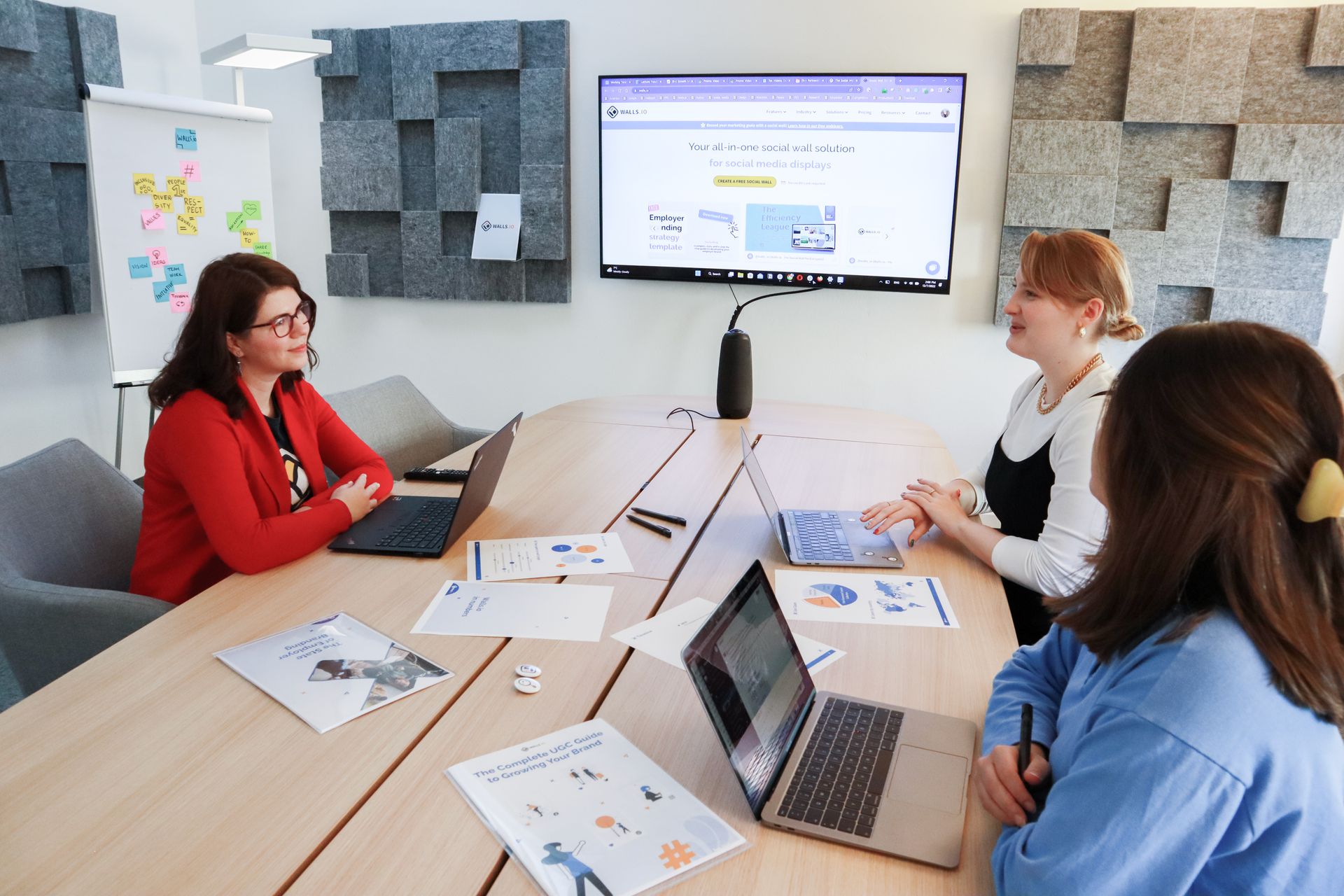
- Create a cross-functional team: Assemble a team of employees from different departments and levels to work together on the development of the performance review process. This will ensure that a wide range of perspectives are represented and that the process is inclusive.
- Provide training: Offer training to employees on how to give and receive feedback effectively. This will empower them to participate fully in the development of the review process and to provide more meaningful feedback during the actual review.
Turning Employee Input into Action
Once employee input has been gathered, it's important to turn that information into action.
HR managers should review the feedback and determine which changes can be implemented immediately and which will require more time and resources.
It's also important to communicate the changes to employees and provide training on any new processes or tools that will be used.
Overall, involving employees in the development of the performance review process can lead to a more effective and impactful process for your organization.
Promoting a greater sense of ownership and buy-in will ultimately lead to faster growth and development for your employees.