Picture the last review cycle you ran. You rolled out a shiny new platform, sent the kickoff email, and then spent the next three weeks sending Slack DMs that said some version of "hey, did you get a chance to finish your self-review?"
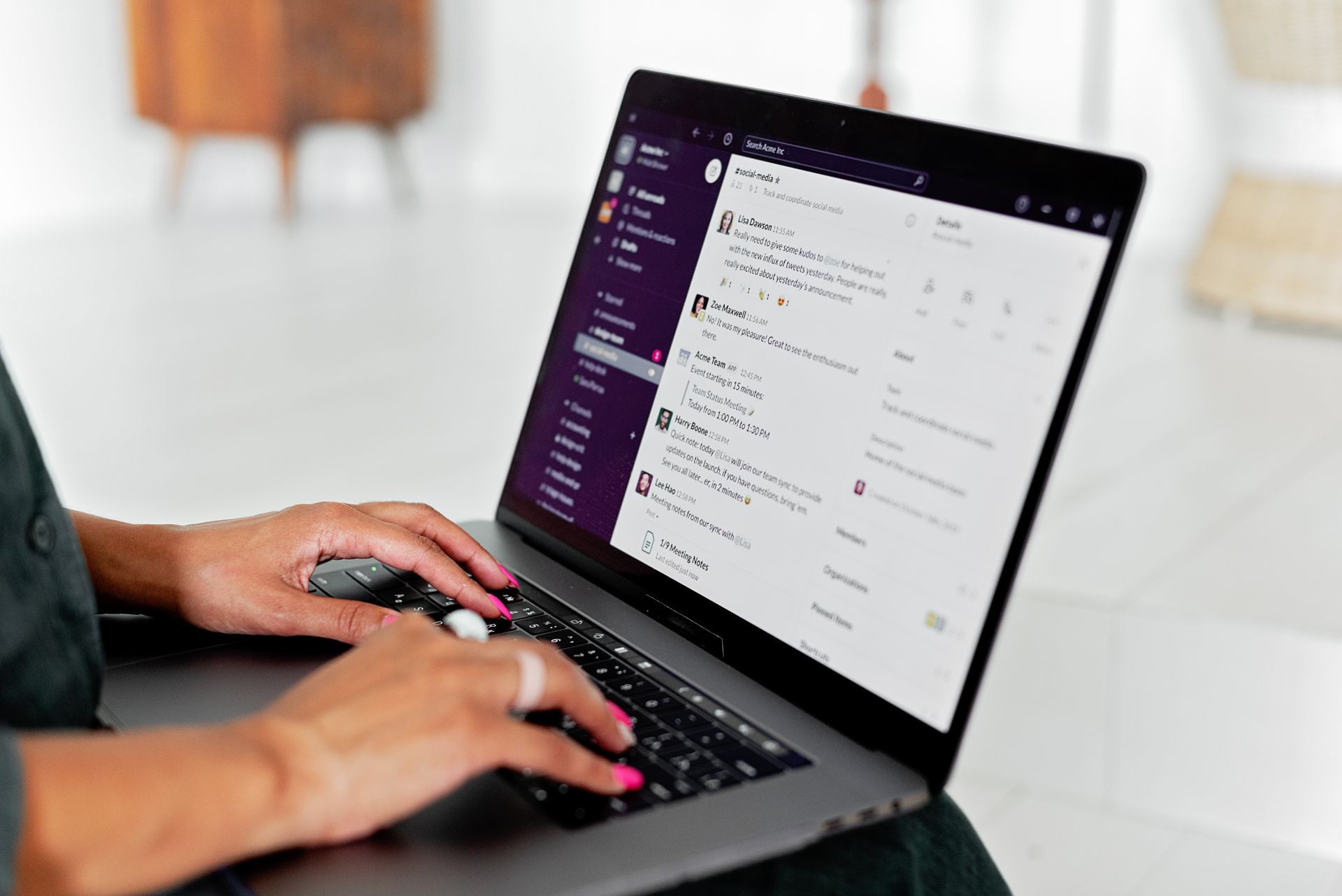
That's not a training problem. That's an adoption problem. Employees already have a tool they open forty times a day — Slack. Asking them to remember a second login, for a task they only do twice a year, is asking a lot. Most people won't do it until the deadline is about to pass, and a lot of managers end up writing reviews from memory instead of evidence.
The fix isn't a better portal. It's not making people go to a portal at all. If feedback collection happens where work already happens, participation stops being the problem — and the review itself gets easier to write.
Myth vs. Reality: What "Performance Review Software for Slack" Actually Means
Myth: Slack has performance review features, or a Slack app can turn Slack into a full review system on its own.
Reality: Slack is a messaging tool. It's genuinely useful for prompts, reminders, and quick reactions, but on its own it has no rating structure, no cycle management, and nothing that tracks who owes feedback to whom or flags who's three days late. Slack's own Workflow Builder can push out a form, but it can't calibrate ratings across managers, keep a permanent review history, or turn scattered comments into a summary.
That's fine — Slack was never supposed to be a performance management system. The real opportunity is software that uses Slack (and Teams, Webex, and email) as the collection layer, while the actual structure — cycles, calibration, reporting, AI-drafted summaries — lives in a dedicated platform behind the scenes. That's the model worth looking for when you search "performance review software Slack."
How WorkStory Runs Reviews Through Slack, Step by Step
Here's what the mechanics look like when review collection lives inside the tools your team already uses:
1. Automated prompts go out in Slack. Instead of an email nobody opens, managers, peers, and self-reviewers get a short feedback prompt directly in a Slack DM or channel, on whatever cadence you set.
2. People answer where they already are. No new tab, no new password. A two-minute response inside Slack replaces a twenty-minute detour to a separate portal.
3. Feedback accumulates continuously, not just at deadline. Every response lands on a live dashboard with sentiment analysis and category trends, so you're building a full year of evidence instead of a Q4 snapshot.
4. WorkStory's AI compiles the draft. When it's time to write the actual review, the AI turns hundreds of accumulated comments into a structured, bias-reduced summary — specific, evidence-backed language instead of "communicates well overall."
5. The manager edits and owns the final version. The AI draft is a starting point, not a finished product — managers still review, adjust, and sign off before anything goes to the employee.
6. Calibration happens before reviews are finalized. If one manager's "exceeds expectations" doesn't match another's, built-in calibration tooling surfaces that gap so standards stay consistent across the org.
The result: reviews built from real, dated, specific feedback — collected in minutes, not chased down over hours. If you want the deeper mechanics of why continuous collection beats the old once-a-year model, we cover that in continuous performance management software: what it actually replaces.
Why This Fixes the Adoption Problem Specifically
Most performance review software doesn't fail on features. It fails on participation. HR picks a platform with a great feature list, rolls it out, and six months later half the reviews are late because managers and employees never built the habit of logging in.
When feedback collection happens automatically inside Slack, Teams, and email, there's no new habit to build. Nobody has to remember where the tool lives, because it lives in the same app where they already get their meeting reminders and project pings. That's the whole reason "where work already happens" matters more than any dashboard: software people don't use doesn't save anyone any time, no matter how good the AI behind it is.
It also quietly solves a retention worry a lot of HR leaders carry: infrequent, inconsistent reviews can make good people feel unheard, even when nobody intended that. Automatic, low-friction collection means feedback doesn't depend on a manager remembering to chase it down.
What This Replaces: the Spreadsheet-and-Scramble Routine
If you're still running reviews the old way, the cycle probably looks like this: HR sends a template in November, managers scramble through Slack history and old emails trying to reconstruct the year, and by the time the review gets written, most of it reflects whatever happened in the last six weeks. That's recency bias by default, not by intent — one 60-minute December conversation just can't fairly distill twelve months and 2,000 work hours.
Continuous, Slack-native collection removes the scramble because the evidence is already there. Nobody's rebuilding a year from memory. For a closer look at how recency bias creeps into reviews, see our post on overcoming biases in performance reviews. And if you want the full case for retiring the once-a-year model altogether, read why your annual review cycle is broken (and what to do instead).
Common Mistakes When Trying to Run Reviews in Slack
Trying to build a review system out of Workflow Builder alone. It's fine for a poll or a quick reminder, but it has no rating structure, no calibration, and no long-term history — Slack's own retention limits mean a form response today may not be retrievable in eighteen months.
Treating Slack recognition as a substitute for documentation. A public shoutout in a channel is nice, but it's not evidence-backed performance data your dashboard can analyze.
Skipping calibration. Even with great collection, if managers rate the same competency differently with no reconciliation step, reviews stay inconsistent org-wide.
Picking a rigid, one-size-fits-all template. Every role is different — a sales competency framework shouldn't look like an engineering one. Configurable, per-role frameworks hold up better than a single universal rubric forced onto every team.
Assuming AI should write the final review. AI drafts save time by compiling evidence into a starting point, but the manager still needs to read it, edit it, and own what gets said.
Where This Fits If You're Evaluating Options
If you're comparing platforms right now, it's worth being clear on what you actually need: a system that collects feedback continuously through the tools your team already uses, compiles it into structured drafts, and gives you calibration and reporting on top — not just a Slack notification bot bolted onto a legacy review form. If you're specifically comparing named platforms, Lattice vs 15Five: which one fits a team that wants reviews to write themselves and our Culture Amp alternative breakdown cover how continuous-feedback platforms stack up against survey-first or template-heavy tools.
FAQ
Does WorkStory replace Slack, or work inside it?
It works inside it. WorkStory sends feedback prompts through Slack (and Teams, Webex, and email) so people respond where they already work — it's not asking anyone to abandon Slack for a new tool.
Can Slack alone run a full performance review cycle?
Not really. Slack is great for quick prompts and reminders, but on its own it has no rating structure, no calibration process, no long-term history, and no reporting. That's the gap platforms like WorkStory are built to fill.
Will employees actually use this, or will it get ignored like other HR tools?
Adoption is the whole point of the Slack-native approach. Because prompts arrive inside a tool employees already open constantly, there's no new login or portal to remember, which is usually where other performance software loses participation.
Does the AI write the final review by itself?
No. WorkStory's AI compiles accumulated feedback into a structured, bias-reduced draft, but a manager always reviews, edits, and owns the final version before it's shared.
Is there one standard review template for every role?
No — WorkStory is built around configurable, per-role competency frameworks rather than a single universal rating scale, since a sales team and an engineering team shouldn't be measured with the same rubric.
How much does WorkStory cost?
The Business plan is $10 per user per month. Enterprise pricing is custom, with a minimum annual contract of $3,600.